The Full Solar Lifecycle
We handle every stage:
- Site evaluation and electrical assessment
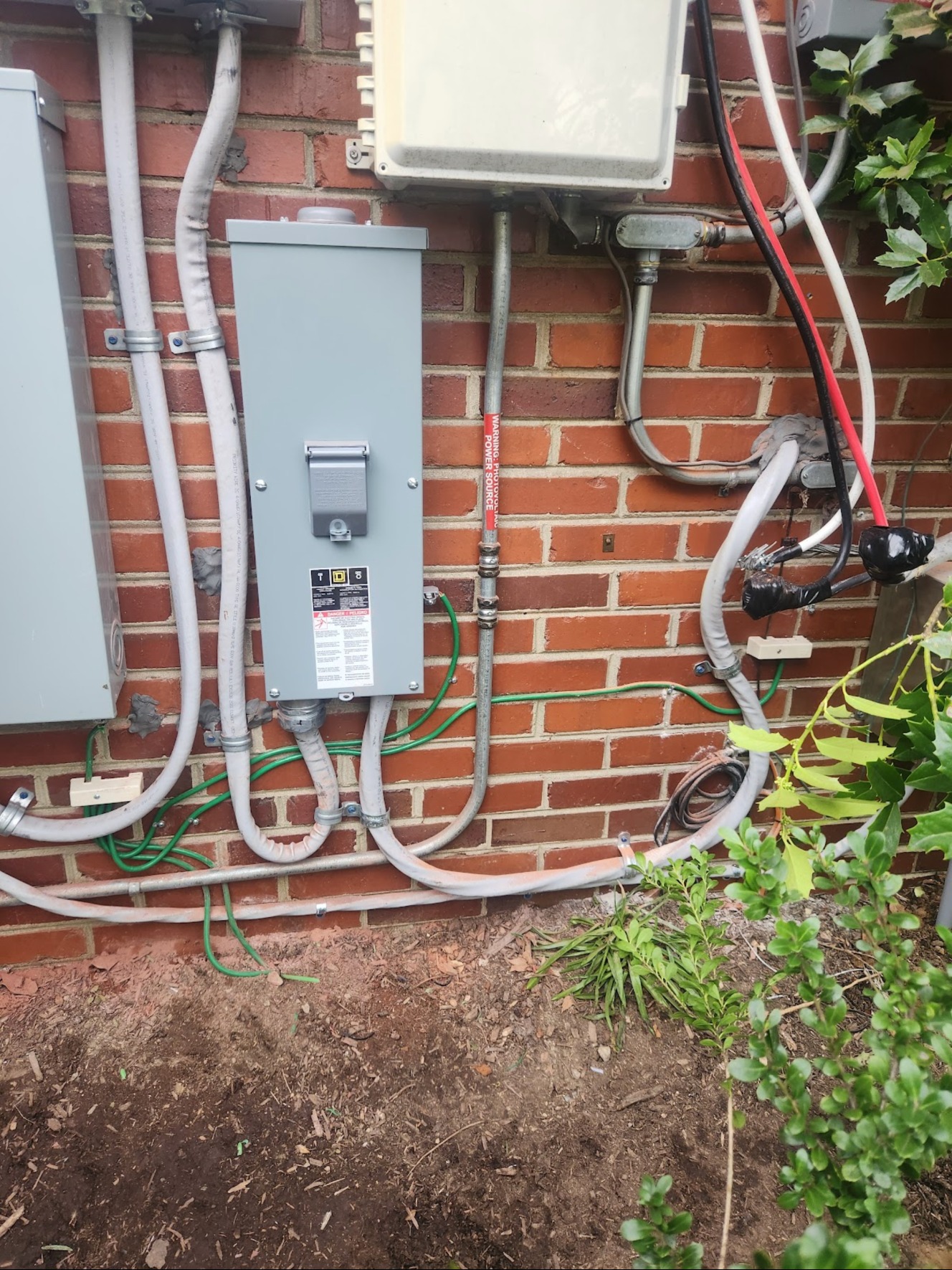
- Panel, inverter, and racking installation
- Any panel upgrade or heavy up needed for interconnection
- Permits, inspections, and utility interconnection paperwork
- Ongoing maintenance and monitoring
The Electrical Assessment Comes First
Before anyone talks about panel counts, the electrical system has to be ready for them. Solar connects through your panel and your utility meter, so a full panel or an undersized service changes the design — sometimes the upgrade comes first, sometimes it's integrated into the solar project.
We do that assessment with the same load calculation we use for any major electrical project, which means the solar plan accounts for your heat pump plans, your EV, and the rest of your house — not just the roof.
DC Incentives
DC programs — including those administered by the DC Sustainable Energy Utility and the local solar renewable energy credit market — can make solar especially attractive in the District. Eligibility varies, so we recommend reviewing current program details for your property.
Programs change and eligibility depends on your property and system, so treat any incentive estimate as a starting point for your own research rather than a promise. What we can promise is accurate documentation of your system, which most programs require anyway.
Start Your Solar Project
Call (202) 521-4835 to schedule a solar assessment. We'll evaluate your roof, your electrical system, and your goals, and give you a plan that covers the whole lifecycle — not just installation day.
Solar on DC Row House Roofs
Row house roofs present a specific engineering picture: flat surfaces with parapets, mechanical equipment and skylights competing for space, and shading patterns set by neighboring buildings of similar height. None of that rules out solar — it just makes the layout assessment worth doing carefully.
Structural condition is the other gate. Many DC roofs are due for replacement within a solar system’s lifespan, and the right sequence is usually roof first, solar second. We raise that honestly during the evaluation, because installing panels on a roof that needs replacement in two years wastes everyone’s money.
Where the roof and the electrical system check out, a row house can produce a meaningful share of its own power — with the strong local incentives doing the rest of the math.
Incentives are the financial backbone of DC solar: the federal tax credit, DC’s solar renewable energy credits, and net metering all improve the payback, but the rules change and the paperwork has deadlines. We keep current on what applies when your system is installed and help you understand which programs your project qualifies for — because a system that’s documented correctly from day one collects everything it’s entitled to.
Frequently Asked Questions
Do I need a panel upgrade for solar?
Sometimes. We evaluate your electrical system as part of the solar assessment.
Do you maintain solar after installation?
Yes. We offer solar maintenance and monitoring services.
Are there solar incentives in DC?
DC offers several solar programs. Eligibility varies; we recommend checking current program details.
Is my flat row-house roof suitable for solar?
Flat roofs are often ideal — panels mount at an optimized angle with racking. We assess roof condition, shading, and structure during the evaluation.
What happens to my solar system during a power outage?
Standard grid-tied systems shut off during outages for safety. If outage protection matters to you, ask about battery or hybrid options during the assessment.